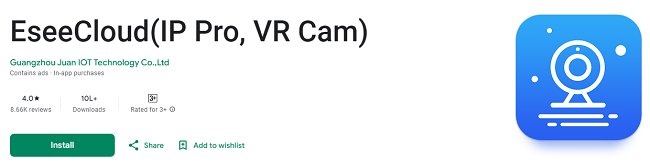
How to Download EseeCloud for Mac? - Quick Installation Guide
In today’s fast-paced world, security is more important than ever. With the rise in demand for remote monitoring, many people are turning to video surveillance solutions like EseeCloud. EseeCloud is a mobile and desktop app designed for monitoring your IP cameras, VR cams, and other video sources from anywhere, anytime. Whether you are managing a business or ensuring the safety of your home, EseeCloud provides a seamless surveillance experience.
If you’re a Mac user and want to take full advantage of EseeCloud’s capabilities, you’re in the right place. In this guide, we’ll walk you through the process of installing the EseeCloud app on your Mac device, along with tips on setting it up and troubleshooting common issues.
What is EseeCloud?
EseeCloud is a feature-rich mobile and desktop surveillance software designed to allow users to monitor their security cameras, DVR systems, and NVR systems in real-time. EseeCloud provides cloud storage for recorded videos, notifications for motion detection, and two-way communication, making it a powerful tool for home and business security.
The app supports various devices, including IP cameras, VR cams, and other smart surveillance equipment. Its primary features include:
Live video streaming
Motion detection alerts
Two-way audio (if supported by the camera)
Remote video playback
Secure cloud storage
Multi-device synchronization
Now that we have an overview of EseeCloud, let’s dive into the process of installing and setting it up on your Mac.
Requirements for Installing EseeCloud on Mac
Before you start, it’s important to ensure your Mac meets the basic system requirements to install and run the EseeCloud app smoothly. Here are the necessary specifications:
Minimum Requirements:
macOS Version: macOS 10.12 (Sierra) or later
RAM: 4 GB or more
Storage: At least 200 MB of free storage for the app installation
Internet Connection: A stable internet connection (Wi-Fi or Ethernet) is required for streaming video feeds.
Camera Compatibility: Ensure that the camera models you plan to use are compatible with EseeCloud.
Recommended Requirements:
macOS Version: macOS 10.15 (Catalina) or later for optimal performance.
RAM: 8 GB or more for smooth operation, especially when handling multiple camera feeds.
Internet Connection: A high-speed broadband connection (Wi-Fi or Ethernet) to prevent video lag or buffering.
How to Download EseeCloud for Mac?
Currently, EseeCloud does not have a direct application available in the Mac App Store. However, you can still download and install the EseeCloud app by following these simple steps:
Step 1: Visit the EseeCloud Website
Open your preferred web browser (Safari, Chrome, etc.) on your Mac.
Go to the official EseeCloud website: https://eseecloud.ipproapp.com.
On the homepage, look for the "Download" section or navigate to the "Download Center" from the menu.
Step 2: Choose the Mac Version
In the Download Center, look for the Mac version of EseeCloud.
Click the Download for Mac button to begin the download. The download will be in the form of a .dmg file.
Step 3: Open the .dmg File
Once the download is complete, locate the downloaded .dmg file in your Downloads folder or the location you set for downloaded files.
Double-click the .dmg file to open it. This will mount a virtual disk on your Mac.
Step 4: Install the App
In the opened window, you will see the EseeCloud app icon.
Drag the EseeCloud app icon into the Applications folder shortcut.
The installation will proceed, and the app will be copied to your Mac’s Applications folder.
Step 5: Open the EseeCloud App
Once installed, go to the Applications folder on your Mac.
Find and click the EseeCloud app to launch it.
If you get a warning about opening an app from an unknown developer, click Open to proceed.
Setting Up EseeCloud on Your Mac
Now that you’ve successfully installed the EseeCloud app on your Mac, it’s time to configure it and start using it for surveillance. Here’s a step-by-step guide to set it up:
Step 1: Create an EseeCloud Account
Open the EseeCloud app on your Mac.
If you’re using the app for the first time, you’ll need to create an account. On the welcome screen, click Sign Up.
Provide the required information, including your email address, username, and a strong password.
Agree to the terms of service and privacy policy, then click Create Account.
You may be asked to verify your email address. Check your inbox for a verification email and follow the instructions to confirm your account.
Step 2: Add a Surveillance Device (IP Camera or VR Cam)
Once your account is set up, you’ll need to add a surveillance device to your EseeCloud account. This step links your IP cameras or VR cams with the app.
Log in to your EseeCloud account on the app.
On the main screen, click the "+" (Add Device) icon to add a new camera.
Choose Your Device Type: EseeCloud supports various types of devices, including IP cameras and VR cams. Select the correct device type from the list.
Scan QR Code or Enter Device ID:
Most cameras come with a QR code on the body or in the manual. You can scan this code directly using your Mac’s camera to link the device automatically.
Alternatively, you can enter the device ID manually, which you’ll find on the camera itself or in the device documentation.
Wi-Fi Setup: If your camera connects via Wi-Fi, follow the on-screen instructions to enter your Wi-Fi network name (SSID) and password. Make sure your Mac and camera are on the same network for successful connection.
Step 3: Configure Camera Settings
After successfully connecting the camera, you’ll need to adjust its settings for optimal performance. You can configure:
Camera Name: Assign a custom name to your camera for easy identification (e.g., “Front Door Camera” or “Garage Cam”).
Video Resolution: Choose the video resolution for your camera (Low, Medium, High).
Motion Detection: Enable motion detection and configure the sensitivity to receive push notifications when movement is detected in your camera’s field of view.
Recording Schedule: Set up automatic recording based on specific times or events.
Audio Settings: If your camera supports audio, you can enable two-way audio for communication.
Once the settings are configured, click Save to finalize the setup.
Alternate Method: Install EseeCloud App on Mac Using an Emulator
If you prefer to use the EseeCloud app on your Mac but don’t want to rely on the desktop version (or if it’s not available for your macOS version), you can install and use the EseeCloud mobile app via an Android emulator. This method allows you to run Android apps on your Mac, including the EseeCloud app, by simulating an Android environment on your computer.
Here’s how to do it:
Step 1: Download and Install an Android Emulator
Choose an Emulator: Popular Android emulators for macOS include BlueStacks, NoxPlayer, and MEmu. For this guide, we’ll use BlueStacks.
Download BlueStacks: Go to the official BlueStacks website (https://www.bluestacks.com) and download the Mac version of the emulator.
Install BlueStacks: Open the downloaded .dmg file and follow the installation instructions. Once installed, launch BlueStacks.
Step 2: Set Up the Emulator
Sign in to Google Play Store: Once BlueStacks is open, sign in with your Google account to access the Play Store. If you don’t have an account, create one.
Search for EseeCloud: In the Google Play Store, search for the EseeCloud app.
Install EseeCloud: Click Install to download the EseeCloud app onto your emulator.
Step 3: Use EseeCloud on Your Mac
After installation, you can open the EseeCloud app directly from BlueStacks.
Log in with your EseeCloud account or create a new one to begin adding and managing your surveillance devices.
Benefits of Using an Emulator:
Access Android Features: Running the Android app allows you to use the full mobile version of EseeCloud.
Multi-Platform: You can run any Android app on your Mac, not just EseeCloud.
This method gives you the flexibility to enjoy the full Android experience on your Mac, especially if the desktop version of EseeCloud doesn’t meet your needs.
Using EseeCloud on Your Mac
With your camera now connected and configured, let’s explore how to use EseeCloud to monitor and manage your security system.
Live View:
On the main screen of the EseeCloud app, you will see a list of your connected devices. Click on the thumbnail of any camera to start streaming live video.
You can adjust the stream’s quality settings (Low, Medium, High) depending on your internet speed and bandwidth.
You can also switch between multiple cameras if you have more than one device connected.
Playback Recorded Video:
EseeCloud allows you to access recorded footage stored either locally or on the cloud.
Click on the Playback tab to view recorded footage. You can filter the recordings by date and time.
If motion detection is enabled, you can view specific events triggered by movement.
Notifications and Alerts:
EseeCloud can send you push notifications when motion is detected, allowing you to stay updated in real time.
To enable notifications, go to the Settings section of the app and ensure that Push Notifications are turned on for motion detection alerts.
Cloud Storage and File Management:
EseeCloud provides cloud storage for video footage, ensuring your recordings are safe even if the local storage is lost.
You can download videos from the cloud for backup or viewing on other devices.
Troubleshooting Common Issues with EseeCloud on Mac
While EseeCloud is generally easy to use, you may encounter some common issues. Here are some solutions to fix them:
1. EseeCloud Won’t Open
Ensure you’ve downloaded the correct version for macOS. If you’re using an older macOS version, make sure your system is updated to at least macOS 10.12.
Restart your Mac and try launching the app again.
If the issue persists, uninstall the app, then reinstall it from the official website.
2. Camera Not Connecting
Ensure that both your Mac and camera are connected to the same Wi-Fi network.
Check that your camera is powered on and properly connected to the internet.
Try restarting your camera and the EseeCloud app.
3. Lag or Buffering During Live View
If you’re experiencing lag during live streaming, ensure you have a stable and fast internet connection.
Reduce the video resolution settings for smoother streaming if your internet speed is slower.
If using Wi-Fi, try moving your Mac closer to the router to improve signal strength.
4. No Audio on Video Feed
Check whether your camera supports two-way audio. Not all cameras have this feature.
Make sure your Mac’s sound settings are properly configured, and check that the app has permission to use the microphone and speakers.
Conclusion
Installing and setting up the EseeCloud app on Mac is a straightforward process that offers you the ability to monitor your IP cameras, VR cams, and other connected devices in real time. With the detailed steps in this guide, you should have no trouble getting the app installed, configuring your cameras, and enjoying enhanced security at your fingertips.
EseeCloud provides a powerful surveillance tool, with key features like motion detection, live video streaming, cloud storage, and two-way audio. By following the steps outlined in this guide, you can start using EseeCloud on your Mac to monitor and manage your security system seamlessly.
Whether you’re securing your home or business, EseeCloud ensures that you stay connected to your cameras and can respond to security events quickly and effectively. Happy monitoring!
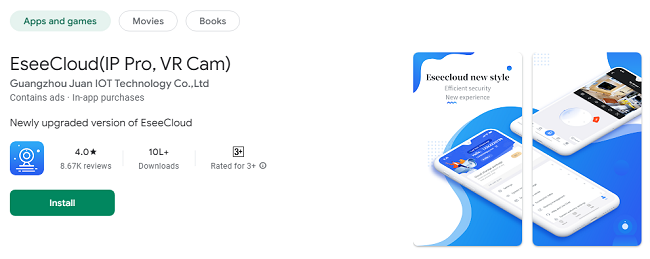
Updates